
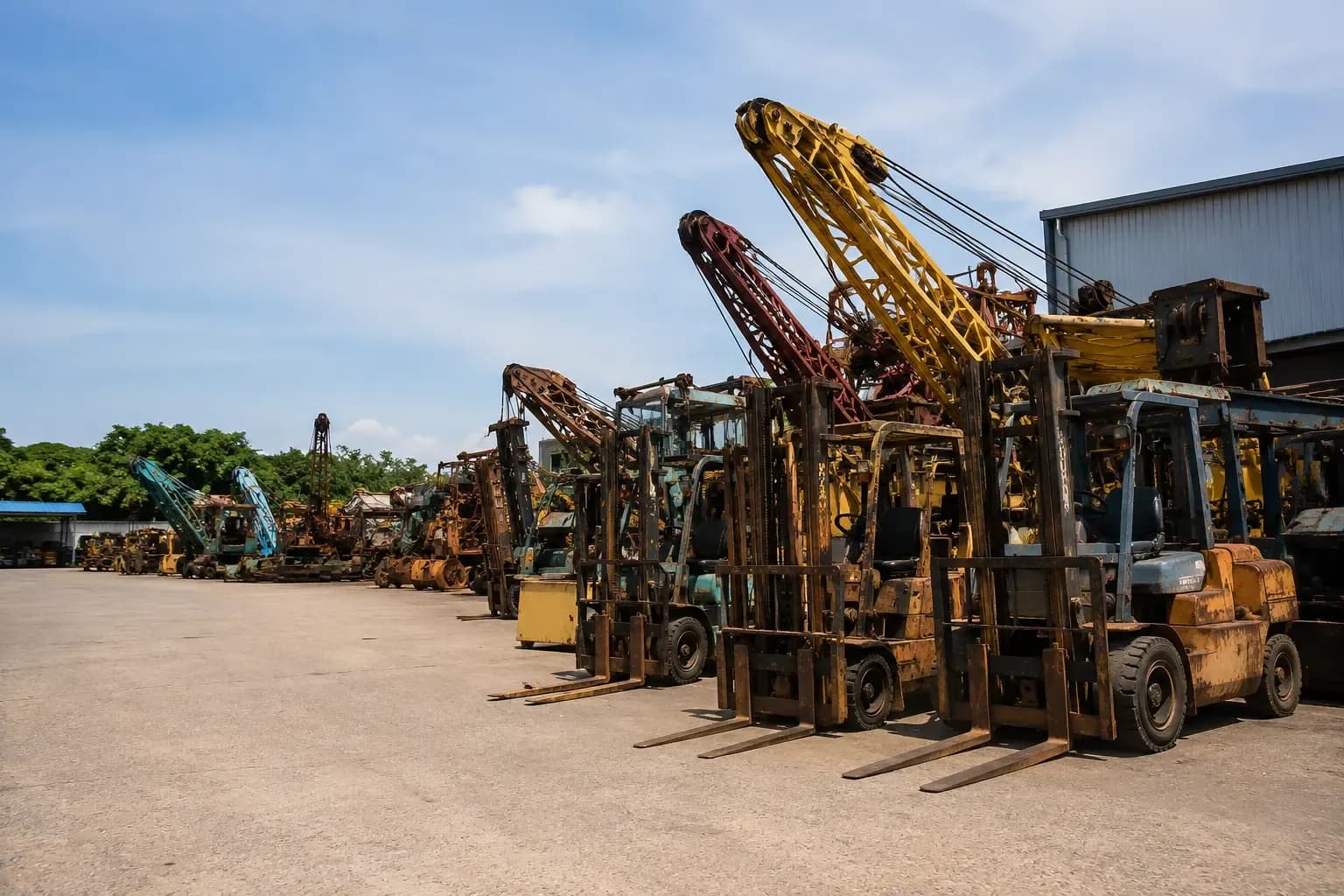
Should You Sell or Scrap Industrial Machines in Singapore in 2026?
Selling isn't always the best option for unwanted industrial machinery. This guide explains when scrapping makes more sense, what affects scrap value, and how the disposal process works.
Key Takeaway
- Industrial machinery can often be sold or scrapped, depending on its age, condition, and market demand.
- Machinery that is more than 10 years old or no longer working is often better suited for scrapping.
- Equipment containing more copper, aluminium, and brass typically commands higher scrap value.
- Large machinery may require dismantling before it can be safely removed from site.
- Choosing an experienced disposal company can help streamline removal, recycling, and value recovery.
Upgrading machinery, replacing production equipment, or clearing a facility?
When equipment is no longer needed, selling it isn't always the most practical option. Older machinery can be difficult to sell and may have limited demand in the resale market.
In some cases, scrapping the equipment may be the more efficient route. While the machine itself may no longer hold much resale value, the metal components may still retain value through recycling.
In this guide, we'll look at the factors that affect a machine's value, when selling makes sense, and when scrapping may be the better option.
Why Businesses Dispose of Industrial Equipment
Businesses dispose of industrial equipment for many reasons, including:
- Machinery upgrades
- Production line changes
- Factory relocations
- Business downsizing
- Factory handovers
- Warehouse clearances
- End-of-life equipment replacement
Once equipment is no longer needed, businesses typically have two options: sell it or scrap it.
Sell or Scrap: Which Option Makes More Sense?
When industrial equipment is no longer needed, you generally have two options: sell it or scrap it. The right choice depends on the age, condition, and demand for the equipment.
Machines that are more than 10 years old, no longer in production, or no longer functioning are often better suited for scrapping. Equipment such as motors, transformers, and generators may still retain scrap value due to their metal content, even when they're no longer working.

Which Machines Typically Have Higher Scrap Value
Not all machinery and equipment have the same scrap value. Machines with more non-ferrous metals such as copper, aluminium, and brass are often worth more than those made up mainly of ferrous metals such as steel.

How Do You Dispose of Industrial Machinery?
The disposal process depends on the size, condition, and location of the machinery. Larger equipment may need to be dismantled before it can be removed safely from site.
A typical machinery disposal project involves:
1. Site Assessment
The machinery is assessed to determine its condition, removal requirements, and potential scrap value.
2. Dismantling and Removal
Where required, the machinery is dismantled into smaller sections for safer handling and transportation.
3. Collection and Transportation
The machinery is removed from site and transported to the appropriate recycling or processing facility.
4. Recycling and Recovery
Recoverable metals are sorted and processed for recycling, while non-recyclable materials are disposed of through the proper channels.
How Do You Dispose of Industrial Machinery
The exact process depends on the type, size, and condition of the machinery. Larger equipment may need to be dismantled before it can be removed safely from site.
1. Assessment
Provide photos and basic details of the machinery, such as the brand, model, age, and condition if known. This helps determine whether the machinery is better suited for resale or scrap metal recycling.
2. Site Survey and Quotation
For larger machinery, an on-site survey may be required to assess the removal requirements and determine whether dismantling is needed. A quotation can then be provided based on the scope of work and potential scrap value.
3. Dismantling and Removal
Where required, the machinery is dismantled into smaller sections before removal. This is common for production lines, generators, chillers, storage tanks, and equipment that cannot be safely moved as a single unit.
4. Collection
Once the machinery is ready, it is removed from site and transported for resale, recycling, or further processing.
5. Payment
If the machinery has resale or scrap value, payment is typically made after collection and assessment. For larger projects involving multiple machines, the payment arrangement should be confirmed before work begins.
Why Choose Yi Hui Metals
With over 19 years of industry experience, Yi Hui Metals has handled machinery disposal projects across factories, warehouses, and industrial facilities throughout Singapore.
Our team manages the entire process, from dismantling and removal to transportation and recycling. We also operate our own processing yards, allowing us to handle large volumes efficiently and provide transparent quotations with no hidden charges.
Need help disposing of industrial machinery? Contact us today for a site assessment and quotation.
You might also like
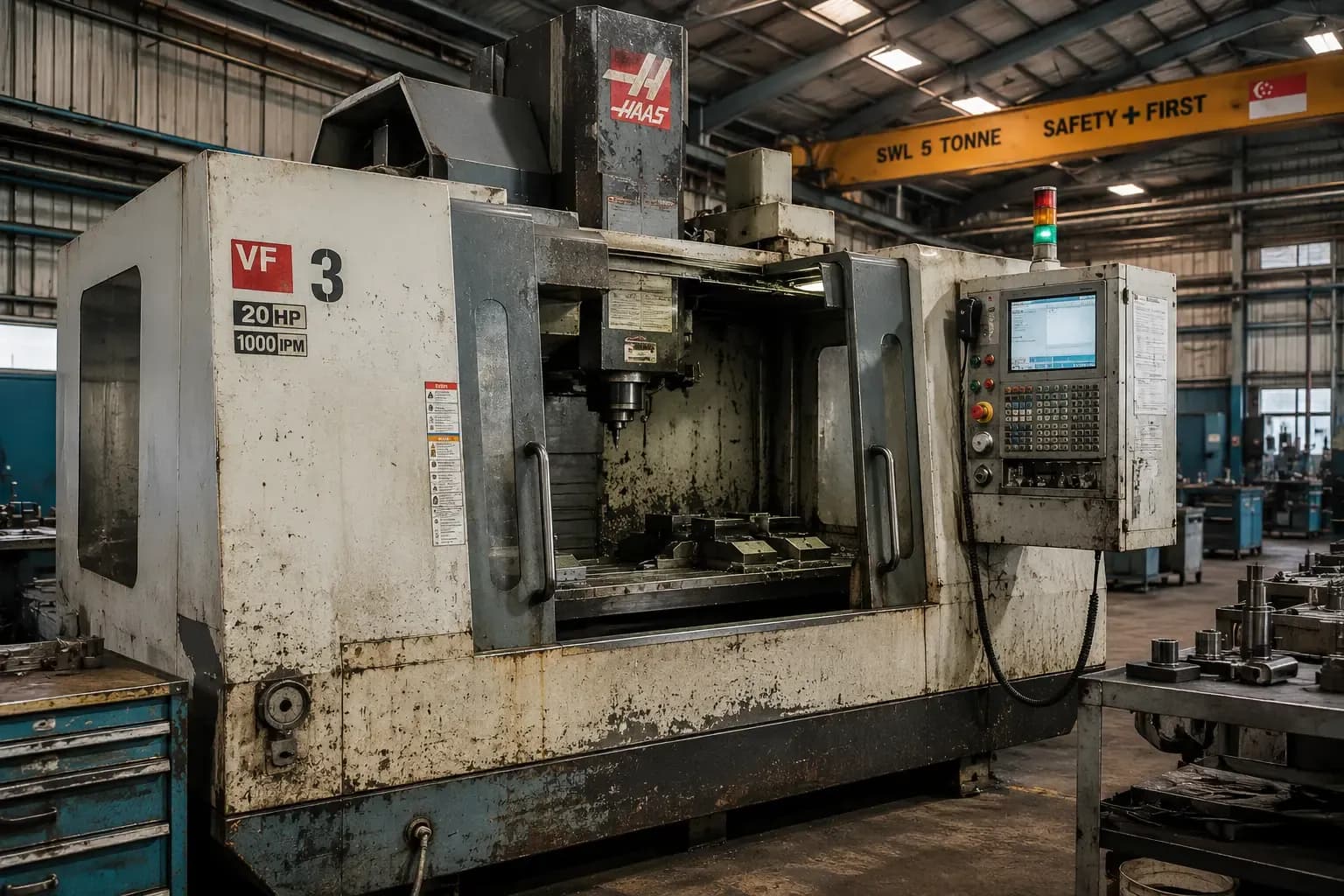
When Should You Remove Old Industrial Machines? (2026 Guide)
Old machinery doesn't become a problem overnight. Learn the warning signs to watch for and how early planning can help reduce downtime and avoid project delays.
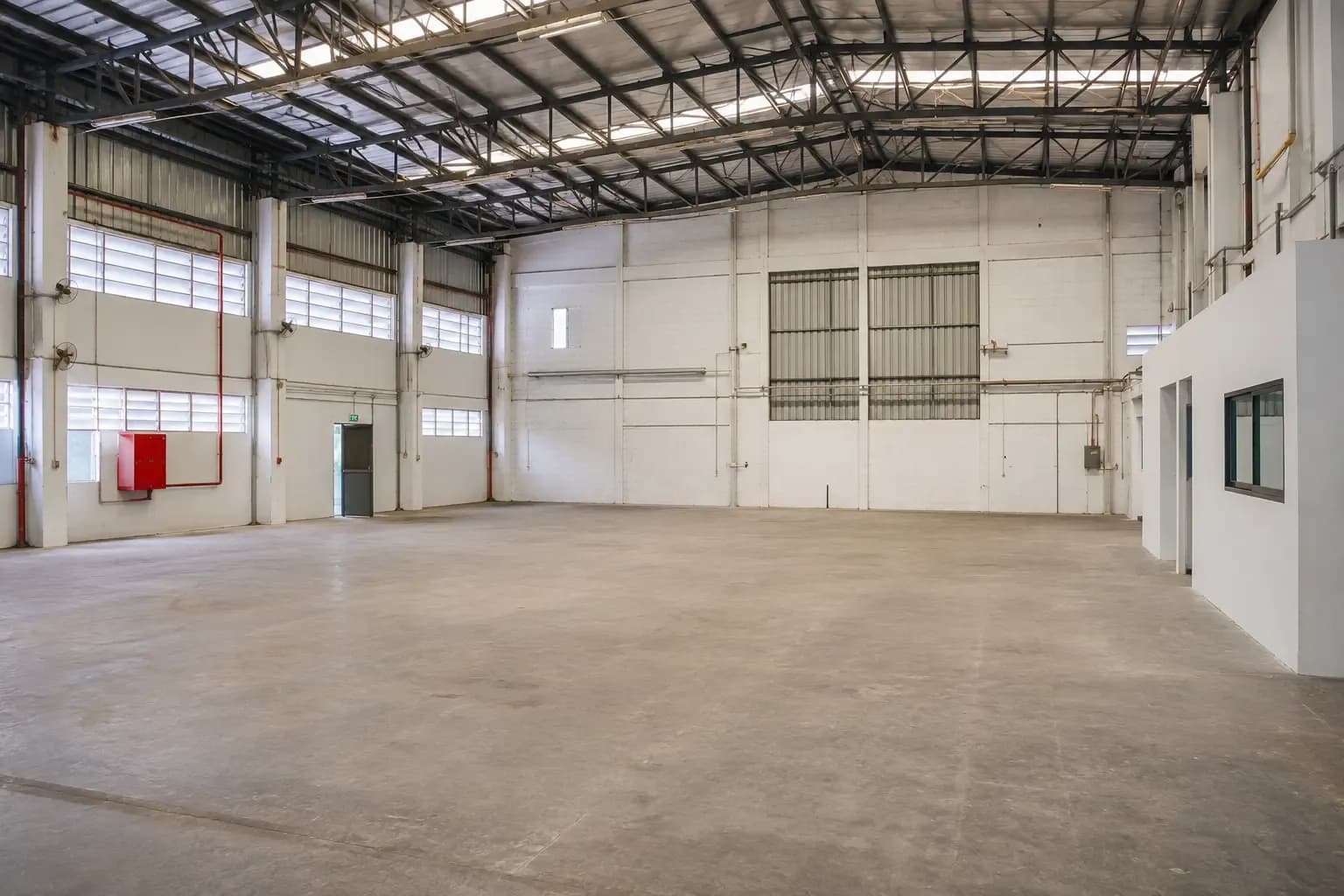
Reinstatement Cost Singapore (2026): Why One Quote Is $5K and Another Is $8K
Not all reinstatement quotes cover the same scope of work. Find out what affects pricing, what hidden costs to watch for, and how to choose the right contractor.
Returning a Factory in Singapore? What You Need to Know (2026)
Preparing to return a factory? Find out what reinstatement works are typically required, how long they take, and what to expect before handover.
Speak With Us
Got something to clear, dispose of, or reinstate? Drop us a message and we'll get back to you within 1 to 2 business days.
Yi Hui Metals
23 Tuas South Street 1, Singapore 638033
